|
|
|
  
|
||||||||||||||||||||||||||
|
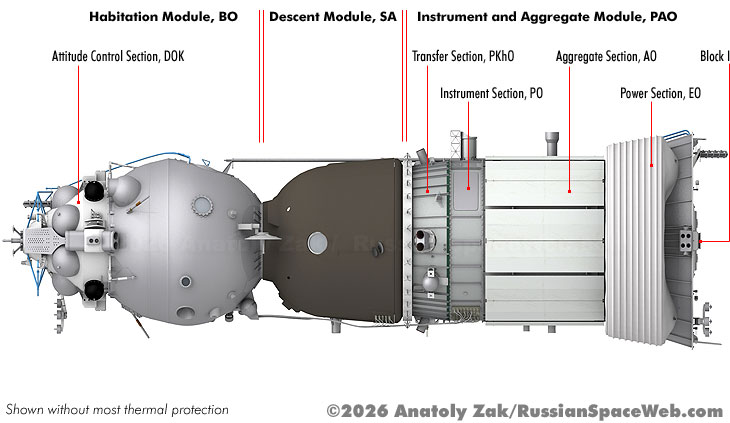
Lunar Orbital Vehicle Articles, illustrations and photography by Anatoly Zak; Editor: Alain Chabot Had it ever reached space, the first Soviet lunar expedition would have ridden from the Earth to the Moon aboard a "Soyuz on steroids," officially known as LOK (for the Lunar Orbital Vehicle in Russian). Piloted by a single cosmonaut, LOK would serve as a mother ship in lunar orbit, while the second crew member of the L3 expeditionary complex would perform a lunar sortie in a separated lander before blasting off back to lunar orbit. LOK would then perform a rendezvous and docking with the lander and return both cosmonauts back to Earth.
LOK technical overview:
|
 |
|||||||||||||||||||||||||
| HISTORY | ||||||||||||||||||||||||||
 |
LOK development The development of the LOK spacecraft lagged behind many other elements of the L3 expeditionary complex, making it one of the several weak links of the Soviet lunar program, right after its biggest challenge — the troubled N1 Moon rocket. |
|||||||||||||||||||||||||
| LOK components | ||||||||||||||||||||||||||
 |
LOK design overview and mission profile The LOK spacecraft resembled a stretched Soyuz spacecraft with a heavily modified propulsion system and the two entirely new sections designed specifically to support the lunar expedition. |
|||||||||||||||||||||||||
 |
Propulsion Module, DOK The DOK autonomous propulsion unit, not present on the original Soyuz, carried its own tanks with propellant for multiple clusters of maneuvering engines. It was topped with a Docking Mechanism, with a unique light-weight interface, which had no option for internal transfer. |
|||||||||||||||||||||||||
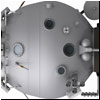 |
NEW, Oct. 2: Habitation Module, BO (INSIDER CONTENT) The largest pressurized volume of the LOK spacecraft was in the Habitation Module, which doubled as work and living quarters during the expedition and as an airlock for the cosmonaut transfer into the lunar lander. |
|||||||||||||||||||||||||
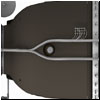 |
Descent Module, SA The Descent Module, carrying the crew at launch and landing, resembled that on the Soyuz spacecraft, but it had a more extensive thermal protection for entering the Earth's atmosphere with a higher velocity and it had only one parachute container instead of two on Soyuz. |
|||||||||||||||||||||||||
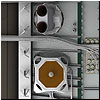 |
Transfer Section, PKhO The Descent Module and the Instrument Section below it interfaced via a special adapter which represented a conical ring providing clearance between the concave surfaces of the both elements facing each other. |
|||||||||||||||||||||||||
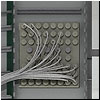 |
Instrument Section, PO As on Soyuz, the pressurized Instrument Section housed avionics and other systems not designed to operate in vacuum. These instruments were wired to their respective systems elsewhere aboard the LOK spacecraft via a special umbilical entering the compartment via air-sealed plates. |
|||||||||||||||||||||||||
 |
NEW, Oct. 19: Aggregate Section, AO (INSIDER CONTENT) The Transfer Section and the Instrument Section were connected to the Aggregate Section below, forming the PAO module, from the Russian Priborno-Agregatny Otsek. The PAO module separated from the Descent Module as a single unit at the end of the flight. |
|||||||||||||||||||||||||
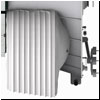 |
Power Section, EO The aft bulkhead of the Aggregate Compartment interfaced with a skirt-shaped adapter, which connected the spacecraft to the fairing of the LK lander during a trip to the lunar orbit and it also carried an innovative fuel cell power supply unit, which replaced solar panels on Soyuz. |
|||||||||||||||||||||||||
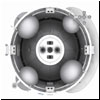 |
Block I Block I was integrated with the Aggregate Compartment and provided the main propulsion for the entire LOK vehicle, serving as the seventh stage of the N1-L3 rocket and space system. |
|||||||||||||||||||||||||
| LOK systems | ||||||||||||||||||||||||||
SUPPORT THIS PROJECT! |
||||||||||||||||||||||||||
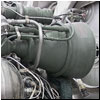 |
NEW, Sept 25: Propulsion System (INSIDER CONTENT) The propulsion system of the LOK spacecraft consisted of two autonomous units: the Block I stage integrated with the Aggregate Module in the aft of the vehicle and the DOK module in front. A total of two main engines and 50 various smaller thrusters were aboard LOK. |
|||||||||||||||||||||||||
 |
Flight Control System Unlike early Soyuz, LOK and LK vehicles within the L3 complex were expected to carry the Autonomous Radio-electronic Control System, ARSU, which managed the flight on the trans-lunar trajectory, in the lunar orbit and during the descent to the lunar surface. |
|||||||||||||||||||||||||
 |
Power Supply System Perhaps the most notable difference between the original Soyuz crew vehicle and the LOK variant was the power supply system. It consisted of fuel cells producing electricity in the chemical reaction between liquid hydrogen and oxygen. |
|||||||||||||||||||||||||
 |
Life-Support System The LOK spacecraft would also carry a more capable life-support system than the one on the original Soyuz. From around 1964, the NIIKhIMMash research institute was working on closed-loop systems for recycling water, which could enable a much longer presence of people in space. |
|||||||||||||||||||||||||
 |
Docking System For the mechanical docking between the LOK and the LK lander, the L3 complex carried the Kontakt system. The LOK spacecraft was equipped with the active side of the Kontakt, including the main engagement probe and four peripheral amortization devices. |
|||||||||||||||||||||||||

|